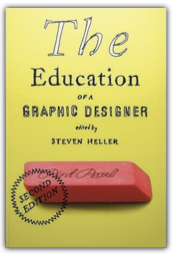
 The Education of a Graphic Designer
Steven Heller
The Education of a Graphic Designer
Steven Heller


• Anecdotes and insights from 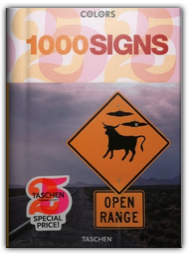 1000 Signs
Thomas Hilland, Carlos Mustienes
1000 Signs
Thomas Hilland, Carlos Mustienes
This book features an amusing collection of signs from around the world. Divided into chapters by type (animals, men, stop, danger, weapons, transport, children, toilets, work, no, etc.), the signs demonstrate how different cultures portray the icons with which we are all so familiar. The diverse selection of photographs is accompanied by texts describing the cultural and social significance of signs. You may even learn things from this book that could save your life the next time you travel 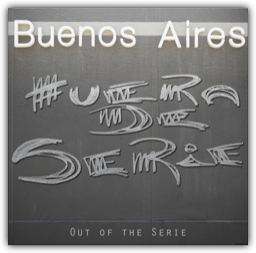 Buenos Aires: Out of the Series
Guido Indij
Buenos Aires: Out of the Series
Guido Indij
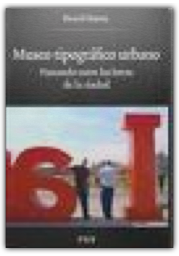
The skyline, the shrines, the reflections in skyscraper windows, the garages, mailboxes, metal grates, padlocks, doors, high-tension wires, trees, stumps, dogs, dog walkers, dog shit, swastikas, anti-Bush posters, religious icons, storefronts, street art, packaged meats, street signs, license plates, cars, surveillance cameras, manhole covers, playgrounds, abandoned chairs all of the vivid, day-to-day signs of life in Buenos Aires, Argentina, are captured in this chunky and affordable 240-page compendium in amazing grids of like objects—typologies that read with delightful immediacy. The pictures were taken by two Swiss photographers, Daniel Spehr and Kathrin Schulthess, and Guido Indij, a Porteno, or Buenos Aires local, as they walked the vast perimeter of Argentina's legendary "village" of more than 11,000,000 inhabitants. Together, they read like a breathing archive, a super-memory, a culture with an unmistakably powerful flavor. 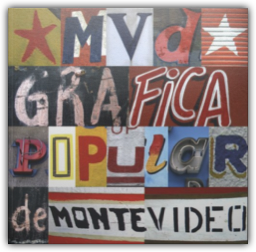 MVD: Montevideo Popular Graphics
Guido Indij
MVD: Montevideo Popular Graphics
Guido Indij
In Montevideo Popular Graphics, Argentine photographer Guido Indij—responsible for several collections exploring South American graffiti—turns his eye towards Uruguay's street culture: "I can't believe the things I see when out walking the streets of Montevideo: posters from our childhood, signage from our parents days, archaeological traces of the last letristas (sign-writers), bestiaries, Carlos Gardels, fish and more fish " After walking extensively through the city, Indij notes that through these graphics "we can reach an understanding of our identity." Much like the Surrealists, who found inspiration in the posters, signs and ads that papered the streets of Paris in the 1920s, Indij mines the language of the street for clues to our collective unconscious. |


 Made with Delicious Library
Springfield, State zipflap congrotus delicious library Anybody, Departamento